

By Jonathan Whitcomb
On the Youtube channel Protect Animal Life, you can find well over 200 videos on modern pterosaurs: “pterodactyl” or “ropen” sightings. Here are some of the better videos that contain the word ropen:
“Pterodactyl Sightings – Ropen Overhead“
From the description:
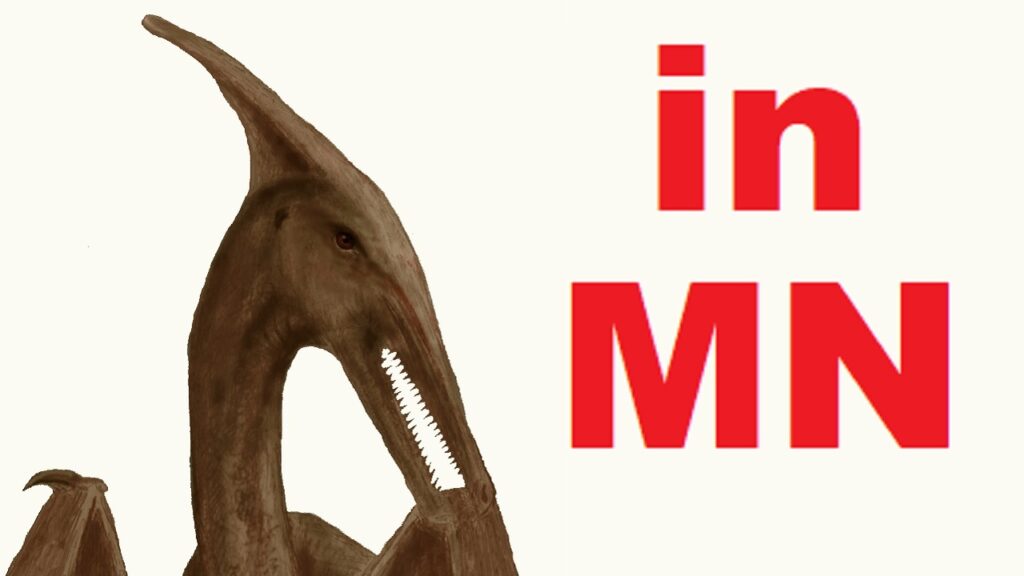
“. . . The two large flying creatures he encountered just east of Fargo, North Dakota, apparently had no feathers, and the second one was seen to have teeth. According to the interviewer (the cryptozoologist Jonathan Whitcomb) the two flying creatures observed there on July 16, 2018, were probably related . . . .”
From comments by viewers:
“Kris Kosach Wellen
mid-2021
wow. i just heard from a family member who swears they saw one
too. I googled this to get more info. she doesn’t want to share,
but thank you for doing so. BTW- for the record, her sighting was
out west, not midwest so I wonder if these things migrate?”
“Jim M.
mid-2021
NO WORDS TO SAY EXCEPT, THAT’S AWESOME.”
* * * * * * * * * * * * * * * * * * * * * * * * * * * * * * * * * * *
“Ropen Courtship in Washington State – Pterodactyl COVER UP“
From the description:
Why was a teenager biker in shock in southwest Washington state in about 1987? In the words of the eyewitness: “I lived in the country with my parents. I was riding my bike home . . . I heard a strange noise.” He then saw two huge flying creatures sitting on a fence. He reported, “I almost crashed my bike . . . they were huge.”
A viewer’s comment:
“I love this eyewitness’ account! One of my favorites!”
* * * * * * * * * * * * * * * * * * * * * * * * * * * * * * * * * * *
“Ropen or Pterodactyl Photo – Ptp Photograph”
As one of the “Friday afternoon livestream chats”, this video was recorded onto Youtube in November of 2021.
From the description:
What photo has been more controversial, over the past decade or so or living-pterosaur investigations, than the “Ptp” image? It could also be titled the “Civil War pterodactyl”. Does it show a real ropen or pterodactyl, or is it a hoax—that question has been met with both strong support and complete denial.
.
###
.
Ropen Seen in Texas, by a Truck Driver
. . . My sighting was in June of 2014 heading north from Laredo, Texas, between Laredo and Austin. . . . it is already early daylight and from the left side of the road about 30-50 feet high I see this not large but ENORMOUS creature glide, not fly, from the tall trees from the left side of the road . . .
.
Video “Ropen in South Carolina”
Yesterday I uploaded to Youtube the music video “Ropen in South Carolina”, which is mostly about three sightings of apparent living pterosaurs in the northern area of that state.
.
Pterodactyls Living — Deceased Eyewitnesses
Comment from a viewer of this video:
.


from “bluegrass nnawoods”
[about January 3, 2022]